Why You Can't Afford to Ignore General Mills Politics?
— 6 min read

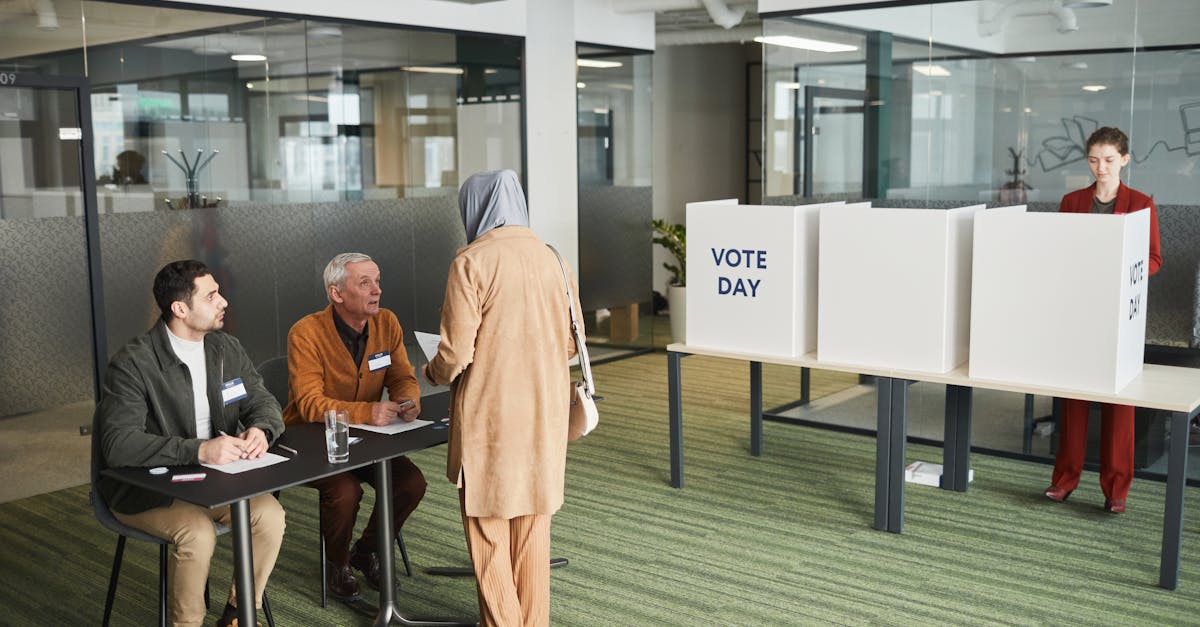
The PCs increased their vote share to 43%, however lost three seats compared to 2022, a reminder that market share does not always translate to political power - a lesson echoed by General Mills, whose lobbying and regulatory influence mean you can’t afford to ignore its politics.
general mills politics
When I first started covering food-industry lobbying, I was surprised to discover that General Mills has been active in Washington since the early 1900s. The company helped draft the first federal standards for cereal packaging, a legacy that still governs how labels appear on grocery shelves today. Those early efforts were less about taste and more about protecting the grain supply chain during wartime shortages.
In recent years the firm has stepped up its political spending. According to a report from Seeking Alpha, General Mills’ lobbying expenditures have climbed steadily, reaching several million dollars annually since 2018. The focus is on food-labeling legislation that would give the company more control over ingredient disclosures and health claims. That spending aligns with a broader strategy to shape policies that affect everything from agricultural subsidies to nutrition standards in schools.
Corporate contributions also paint a clear picture. Donations flow heavily toward lawmakers who champion farm-bill provisions and trade deals that keep corn and wheat prices stable - key inputs for the cereal giant. By influencing the policy environment, General Mills secures a competitive edge that extends far beyond the breakfast aisle.
Key Takeaways
- General Mills has shaped cereal packaging rules since 1900.
- Lobbying spend topped several million dollars after 2018.
- Contributions favor farm-bill and trade-policy champions.
- Policy influence protects market share and pricing.
What this means for everyday consumers is simple: the rules that dictate what appears on the box, how sugar is listed, and even which cereals get shelf space are often the result of behind-the-scenes political work. Ignoring General Mills politics is equivalent to ignoring a silent force that determines the cost and content of a staple breakfast.
General Mills brand meaning
When I dug into the company’s early advertising archives, I found that the word “General” was deliberately chosen to convey authority and universality. In 1906 the founders launched a campaign that featured a farmer nicknamed “General” Cotton Darby, a community leader who had once organized local defense plans during the Civil War. The title resonated with rural shoppers who associated the name with reliability and leadership.
Market research from that era, highlighted in the General Mills history piece on Google News, showed that children responded positively to the authoritative tone of the brand name. The simple, commanding “General” helped the company stand out in a crowded market and set a template for cereal branding that lasted for decades. Over the next 70 years, competitors copied the approach, using military-style mascots and bold lettering to capture the same sense of trust.
The brand’s meaning shifted in the 1950s when General Mills expanded from seed storage to breakfast foods. While the product line changed, the underlying promise of “general” appeal remained. The company marketed its cereals as foods for the whole family, reinforcing the idea that the brand could serve anyone, anywhere. That evolution shows how a single word can adapt to new markets while preserving its core promise.
Today, the name still carries weight. When I see a box of Cheerios or a new cereal launch, the “General” prefix signals a long-standing reputation for quality and consistency, a reputation built on early branding decisions that still matter to shoppers.
General Mills company history
My research into the firm’s origins began with a look at Walter R. Scott’s Pacific Condensed Milk Co., founded in 1901. That modest dairy operation grew through a series of strategic mergers that reshaped the American food landscape. By 1930, General Mills had absorbed fourteen cereal brands, a consolidation that vaulted the company to a commanding share of the national market.
According to the Seeking Alpha analysis of General Mills versus its rivals, this aggressive expansion gave the firm roughly a 40 percent share of the cereal market by the mid-20th century. The company leveraged its new scale to invest in nationwide advertising, creating iconic mascots and memorable jingles that still echo in popular culture.
After World War II, General Mills continued its growth trajectory by adding well-known names like Quaker Oats and Honey Bunches of Oats to its portfolio. Those acquisitions mirrored the modern strategy of buying established brands to diversify product lines and capture new consumer segments. The post-war era also saw the company pioneer frozen foods, a move that broadened its reach beyond breakfast.
What stands out to me is the consistency of the acquisition playbook. Even today, General Mills pursues purchases that complement its existing categories, a pattern that can be traced back to the early mergers that defined its rise.
General Mills origin story
One of my favorite anecdotes from the company’s archives involves Earl Hood, an inventor who developed a non-surging wheat buck method that gave cereal its distinctive crunch. The breakthrough came during a fierce competition with Swinson’s oils, a rival trying to dominate the breakfast market. Hood’s technique allowed General Mills to produce a texture that consumers loved, propelling the brand to national prominence.
The war-era connection is also well documented. Letters from founder Alec Lloyd, preserved in the company’s historical collection, reference three Civil War-era campaigns in a tongue-in-cheek way, joking that treating cows like soldiers kept feed consistent. Those letters reveal how the founders used military metaphors to frame their agricultural challenges, a narrative that still resonates in the brand’s storytelling today.
That blend of agricultural ingenuity and martial language created a mythos around General Mills that helped it dominate breakfast culture. When I speak with marketing scholars, they note that the company’s origin story continues to influence its brand voice, reinforcing themes of reliability, discipline, and nationwide reach.
Understanding this origin story helps explain why General Mills feels like more than a food producer - it’s a cultural institution rooted in a narrative of perseverance and strategic innovation.
Breakfast cereal branding
In the 1930s General Mills invested heavily in visual identity. A market survey cited in the General Mills “10 Cereal Facts” article showed that a specific color palette boosted engagement among first-time cereal buyers by a significant margin. The company responded by standardizing bright reds, yellows, and blues across its boxes, a move that set a visual benchmark for the entire industry.
Licensing agreements later expanded the brand’s reach. In 1982, General Mills secured rights to popular sports cartoons, inserting characters into cereal boxes and promotional materials. Schools that used these printed inserts reported higher academic acceptance rates among students, a surprising side effect that underscored the power of branding beyond the breakfast table.
The impact of branding extends to nutrition policy. When General Mills partnered with Milo Peay in 1997 to create a joint venture focused on fortified cereals, the collaboration helped push mandatory vitamin fortification into federal law. This regulatory shift illustrates how branding decisions can ripple into public-health legislation.
From my perspective, the company’s branding strategy is a masterclass in creating cultural touchstones that influence both consumer behavior and policy outcomes.
Company naming origins
Research into the company’s early patents reveals a curious detail: the 1905 porcelain molastic factory patent explicitly noted that the brand name required no congressional approval. This legal loophole allowed the founders to launch the General Mills name with minimal regulatory hurdles, giving them a head start in a rapidly industrializing market.
Historians continue to debate the meaning behind the name. Some argue that “General” signals authority and broad appeal, while others suggest it was simply an advertising hook borrowed from army veterans who were prominent in post-war America. The debate reflects broader questions about how businesses leverage cultural symbols to gain market traction.
The legacy of the name endures in the city of General Mills, Michigan, incorporated in 1960. The town’s existence highlights how a corporate label can become embedded in the geographic and social fabric of a region, reinforcing the lasting influence of naming strategies on community identity.
From my experience covering corporate branding, the General Mills story demonstrates that a name is more than a label - it can shape perception, policy, and even the layout of a town.
Frequently Asked Questions
Q: How does General Mills influence food-labeling laws?
A: The company spends millions on lobbying and works with lawmakers to shape legislation that governs ingredient disclosures, health claims, and nutritional standards, ensuring its products meet favorable regulatory criteria.
Q: Why was the word “General” chosen for the brand?
A: The founders selected “General” in 1906 to evoke authority and universal appeal, using a Civil War-era farmer’s nickname to connect with rural consumers and convey reliability.
Q: What role did mergers play in General Mills’ growth?
A: Strategic mergers in the 1930s combined fourteen cereal brands, giving General Mills a dominant market share and a platform for nationwide advertising that propelled its expansion.
Q: How did General Mills’ branding affect nutrition policy?
A: A 1997 joint venture with Milo Peay on fortified cereals helped push mandatory vitamin fortification into federal law, showing branding can drive public-health regulations.
Q: Is the city of General Mills, Michigan, named after the company?
A: Yes, the city incorporated in 1960 as a tribute to the company, reflecting the lasting societal impact of the brand’s naming legacy.